Meherwan Irani's Masala Pork Chops
"What are pork chops doing in an Indian cookbook, you ask? The answer is simple: nostalgia. As Parsis, we are carnivores, unfettered by the various religion-based dietary restraints Hindus, Jews, Muslims, and others navigate. Not only can we eat meat with abandon, we can eat ALL the meats—chicken, goat, lamb, beef, pork, fish, shellfish. If it flies, walks, or swims, it’s (literally) fair game!
Back in India, the butcher shops in my part of town stood alone in a small dusty field, away from all other businesses and were given a wide berth by Hindu vegetarians. The building was divided into four rooms, each with its own entrance. One room sold pork and was run by a Christian family. (When Portuguese missionaries arrived in Goa in the 1600s and started con verting Hindus to Christianity, they introduced pork into the local diet, sealing the conversion of the local population and ensuring they couldn’t subsequently be converted to Judaism or Islam, or even back to Hinduism.) The Muslims sold beef in a different room, and non- vegetarian Hindus sold goat meat in the third room. The last room sold chicken and eggs.
The cook at my grandparents’ bed-and-breakfast made the best pork chops I can remember, using a simple rub of turmeric, ground red chilli, salt, and ginger- garlic paste. I ate so many pork chops in one sitting that I actually broke out in meat sweats. I’ve cheffed up his recipe a bit, but the extra effort is entirely worth it.
I like to cook these thick pork chops low and slow, a time-tested method for juicy, tender meat, as any BBQ pitmaster will tell you. (Cooking at high heat causes the muscle fibers in meat to quickly shrink and tighten, squeezing out moisture and drying out the meat; don’t do this.) I also like to roast these chops (and most other cuts of meat or fish) on a wire rack that fits perfectly into a sheet pan; the rack elevates the meat and allows heat to circulate all around it. That way, you don’t end up with a piece of meat that’s beautifully brown on top but soggy on the bottom because it’s been resting directly on the pan."
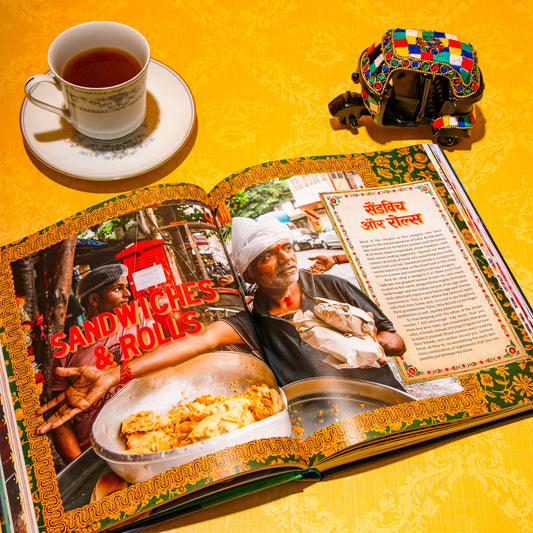
Recipe & excerpt by Meherwan Irani, from The No. 1 Best Indian Cookbook in the World!
-
Ingredients
- 2 thick (1½ inches or more) bone- in, rib-cut pork chops
- 1¼ teaspoons kosher salt
- ½ teaspoon sugar
- ½ teaspoon turmeric powder
- ½ teaspoon ground Kashmiri chilli powder
- ½ teaspoon neutral oil, such as grapeseed, plus more for searing the pork
- 2 teaspoons Ginger-Garlic Paste
- 2 tablespoons unsalted butter or ghee
-
Print
Preparation
Serves 2.
- Pat the pork chops dry with paper towels. Season well with 1 teaspoon of the salt and the sugar, sprinkling liberally on all sides.
- Rest the chops on a wire rack set over a sheet pan in the refrigerator for at least 8 hours or overnight. Resting the pork this way does two things: It allows osmosis to draw the salt and sugar into the tissues for better flavor, and it reduces moisture, allowing a great crust to form during the pan- searing step. Lifting the chops off the pan or plate ensures it dries on both sides. If you don’t have a wire rack, do as Indians do, and jugaad yourself a solution by laying a few chopsticks across a plate to elevate the meat.
- Once the chops have rested, mix the turmeric and ground red chilli together in a small bowl and rub it all over the meat.
- In a small bowl, mix together the remaining ¼ teaspoon salt with the oil and ginger- garlic paste. Rub this all over the meat. You don’t want a thick crust of ginger- garlic paste, so really rub it in there, spreading the paste evenly and avoiding excessive clumps.
- To cook the chops, we’re going to use the reverse- sear method that has been popularized by some food nerd guys I follow. While it’s a bit more time-consuming, it gives the best results if you’re looking for a juicy interior with a lovely crust.
- Preheat the oven to 250°F. Line a sheet pan with foil and place a wire rack above the sheet. Put the chops on the rack and cook until the interior temperature reaches 120°F, about 30 minutes.
- In a large cast- iron or stainless- steel skillet, heat about 1 teaspoon of oil until shimmering over high heat. Place the chops in the pan and sear, flipping once, for about 1 minute on each side.
- Turn the heat down to medium- high and add the butter or ghee on the side of the pan closest to you. Spoon the melted butter over the top of the chops as they cook for the next 2 minutes or so (tilt the pan towards you a bit to get at the butter), flipping the chops once or twice to baste both sides. If you want to get extra cheffy, use tongs to stand the chops on their edges to melt off some of the fat cap there.
- The chops are done when an instant- read thermometer stuck into the thickest part of the chop reads between 130°F and 140°F, which is the sweet spot for medium.
- Set a wire rack over a pan or plate and rest the chops for 5 to 7 minutes until they’re ready to eat. Serve with your choice of sides, such as Apple Sabji on page 203, Masala Green Beans on page 201, or Rosemary Grilled Onions on page 176. Leftover pork keeps, tightly covered in the refrigerator, for up to 3 days.
More on Kashmiri chillies
Dried Kashmiri chillies, used ground or whole, are bright, balanced, and fruity, and they deliver what I call an intuitive heat— their heat is proportional to the amount you put in, so a pinch of powder is a pinch of heat. Ground dried Kashmiri chilli has a deep coral-red color that’s responsible for the vibrant shade of tandoori chicken and other classic Indian dishes. Cayenne is an acceptable (though hotter) backup, albeit in the way that a Honda can stand in for a Rolls-Royce. If you buy a bag of whole dried Kashmiri chillies, they’ll last for years (and you can grind them yourself). Or buy Kashmiri chilli powder from Spicewalla or any South Asian grocer. If you only stock up on one type of dried chilli, let it be Kashmiri.
Shop the Recipe
-
10 Pack
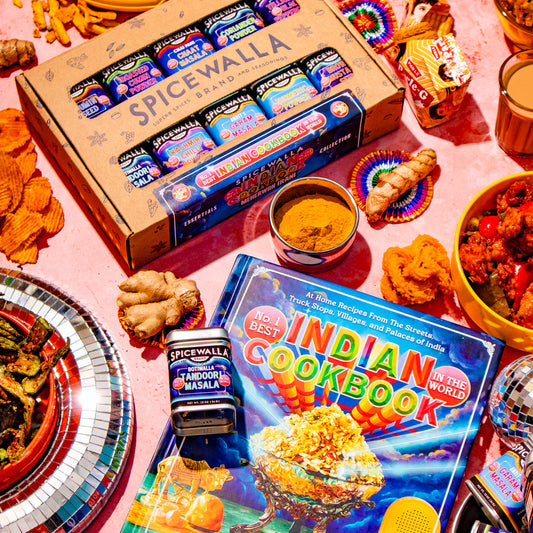
10 Pack No. 1 Best Indian Cookbook Essentials Collection
Regular price $64.99 USDSale price $64.99 USD Regular priceUnit price / per -
Bundle! No. 1 Best Indian Cookbook
Regular price $104.99 USDSale price $104.99 USD Regular priceUnit price / per -
No. 1 Best Indian Cookbook in the World
Regular price $40.00 USDSale price $40.00 USD Regular priceUnit price / per